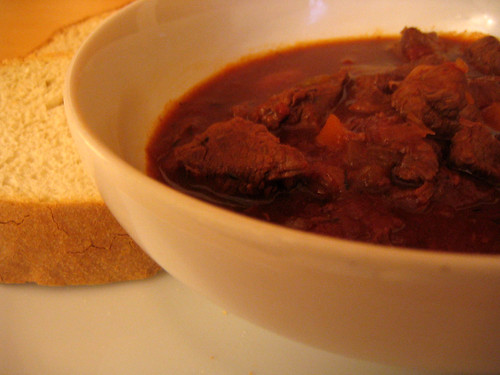
 I don’t have a set recipe for my basic casserole, what I put in it depends on my mood and what I have in. That’s what I love about making them; they can be very personal and adjusted to suit you, your budget, what’s in season and what’s in your fridge. I like the chopping, mixing, tasting, adding a bit of this, adding a bit of that, tasting again, the end result being different ever time.
I do however follow a particular, fairly standard method, which I’ll set out for you here.
Meat
Browning the meat first gives a really good flavour and seals in the juices. It needs to be well browned on a very high heat so that it forms a slight crust. Don’t put too much meat into the pan at once or it will just steam and not brown as you want it to. Once the meat is browned I remove it from the pan and then add the vegetables. Don’t use a clean pan – you want all the flavour from the meat!
Meat on the bone is really good for casseroles as you get all the additional flavour from the bones. I wouldn’t make a chicken casserole with chicken off the bone as there isn’t as much flavour as with other meats, such as beef.
Cheaper, less tender, cuts of meat such as shin of beef and neck of lamb work best in casseroles as they suit long, slow cooking and have a lot of flavour.
Chopped bacon can be a great addition; sautéed after the meat is browned and removed.
Flour
I don’t always add flour but it does thicken the casserole nicely. I either roll the meat in seasoned flour before browning the meat or add a tablespoon or two to the casserole before the liquid goes in.
Vegetables
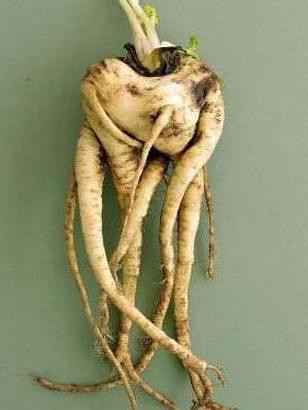
My casseroles always have an onion base, often with carrot and celery. These are sautéed until soft after the meat has been browned and removed and before the liquid is added. I sometimes add crushed garlic which gives another note and depth that I find is particularly good with beef. Other vegetables that often find their way into my casseroles are shallots, leeks, parsnips, butternut squash, new potatoes and mushrooms.
Herbs and Seasoning
I find dried herbs work fine in casseroles, despite what the purists may say. In fact dried herbs seem to give a deeper note, but of course fresh are good too. I personally tend to stick to thyme, oregano or rosemary. Bay leaves are great too, but remember to remove them at the end of the cooking time!
Season when your liquids have gone in and check again at the end of the cooking time once the flavours have developed and the liquid has reduced. Be careful with salt particularly if you’ve added bacon or have a fairly salty stock.
Pulses
Pulses such as chickpeas or lentils make the casserole a full-on, hearty meal.
Liquids
Once the base vegetables are sautéed it’s time for good stock and any other liquids you want to add. I turn the heat up and deglaze the pan with alcohol or just the stock. The meat goes back in at this stage. Sometimes a tin of chopped tomatoes will go in, worcester sauce, tomato puree, beer, guiness, madeira, marsala or wine. There really is no set rule for casseroles, just go with your taste buds. Talking of which, I taste at this stage, once everything has been added to the casserole and the liquid has been brought to a boil, and I add more of this or that as I want.
Heat
Once the liquid is added bring it to the boil on the hob then put a lid on and put it in the oven to simmer slowly for a good couple of hours on a low to medium heat.
Finishing
Sometimes the liquid will need reducing before serving, to thicken it and deepen the flavour. I take the lid off and either put the dish back in the oven or on the hob on to simmer and reduce until I’m happy with the consistency and flavour. I check the seasoning at this point and adjust it if necessary.